I was halfway through a meeting when I received a notification from my smart doorbell. It said “Motion detected at Front Door.”
I opened it and watched the video buffer for a few seconds, but by the time the live feed came up, my porch was empty.
Naturally, I looked at event history to see if they’d left a package, only to be met with something that was basically an insult.
The screen read, “Upgrade to view history.”
I paid $200 for this smart doorbell camera. I pay for the Wi-Fi and the electricity bill. Yet the main reason I bought the thing was still locked behind a paywall.
5 ways my video doorbell makes life easier (and 5 ways it complicates it)
It makes life easier, until it doesn’t. Here’s what no one tells you
$200 for a doorbell, $5 a month forever

When I was growing up, buying a PlayStation 2 meant I owned it. Even a decade later, it still ran God of War.
The doorbell my parents installed rang whenever you pressed it, and it did its job for three decades without a subscription.
But we don’t live in that world.
Wall Street doesn’t care about one-time sales. Modern businesses want to get a subscription billing agreement into your house by any means necessary.
If a company sells me a $200 doorbell, they get a one-time boost in their quarterly earnings. But if they get me to pay $5 a month for ten years, they’ve turned a risky sale into a steady revenue stream.
Perhaps the most infuriating part of this permission economy is when a company decides a product isn’t profitable anymore (Stadia, anyone?). They can simply kill it.
Everything is going subscription and there’s no end in sight

If this were just about doorbells, maybe I could live with it. But the everything-as-a-service rot is spreading through every corner of the consumer world.
Look at the automotive industry. BMW became the poster child for this nonsense when it tried charging a monthly fee for heated seats that were already built into the car.
BMW eventually backed down, admitting it was a mistake because it hit customers so strongly. That didn’t stop them though.
We’re in early 2026, and BMW is already putting things like 360-degree cameras and urban driving assistants behind a subscription.
They say cloud storage is expensive, but it’s nowhere near what they charge
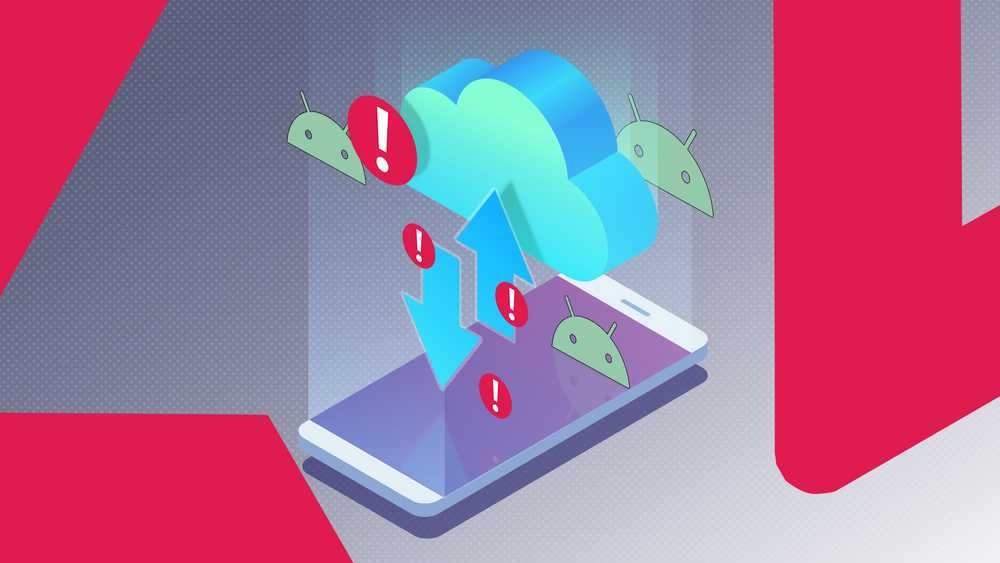
Every time I complain about this, someone pops up in the comments to defend the billion-dollar corporations. “Cloud storage isn’t free; they have to pay for the servers that host your 1080p footage.”
So I decided to run the numbers and looked up AWS S3 pricing.
The standard storage tier runs about $0.023 per GB per month. A typical security camera event (the 30 seconds of motion) is roughly 15MB to 20MB.
Even if my camera records 50 events a day (which is a lot), I’m using about 30GB a month.
Now, there are three other major costs in addition to storage. First is bandwidth. Watching a clip on your phone is also expensive because Amazon has to send that data. But since hardly anyone watches every recording, the cost is averaged across all users.
Also, whenever a camera uploads a file or your app shows thumbnails, that’s an API request. Although they’re cheap (fraction of a cent each), the numbers can add up.
Finally, generating thumbnails and detecting people with AI also takes processing power. Now, even if we triple the storage cost to cover bandwidth and AI processing, Amazon probably spends under $2 per user each month.
Charging $5 to $10 a month for it is still a high-margin business. The whole cloud cost is an excuse. They’re charging us because they can.
Proof’s right there. They don’t let you store anything locally. While Eufy and Reolink both offer doorbells that store video on an SD card, big players like Ring and Nest push cloud subscriptions.
If I can save my footage to a $15 piece of plastic, I don’t need to pay them $200 a year. So, they engineer the problem by removing the slot, then they sell us the solution.
You’ll own nothing and be happy
When a company can brick your device remotely for missed payments or a faulty update, ownership no longer means anything.
In the old days, if you didn’t pay for your car, a repo man came to your house to tow it away. Today, the repo man presses a key, and your engine won’t start, or your doorbell won’t record.
The next time you’re looking at a smart home device in a store, ask yourself one question. What happens if I stop paying the ransom fee? If the answer is nothing, buy it. If anything else happens, put it back on the shelf.
News
Berita Teknologi
Berita Olahraga
Sports news
sports
Motivation
football prediction
technology
Berita Technologi
Berita Terkini
Tempat Wisata
News Flash
Football
Gaming
Game News
Gamers
Jasa Artikel
Jasa Backlink
Agen234
Agen234
Agen234
Resep
Cek Ongkir Cargo
Download Film
Comments are closed, but trackbacks and pingbacks are open.